Can you kayak into the Algarve sea caves?
You can kayak into some Algarve sea caves only in small swell (under about 1 m, ideally less), on a suitable tide, early in the day and never alone.
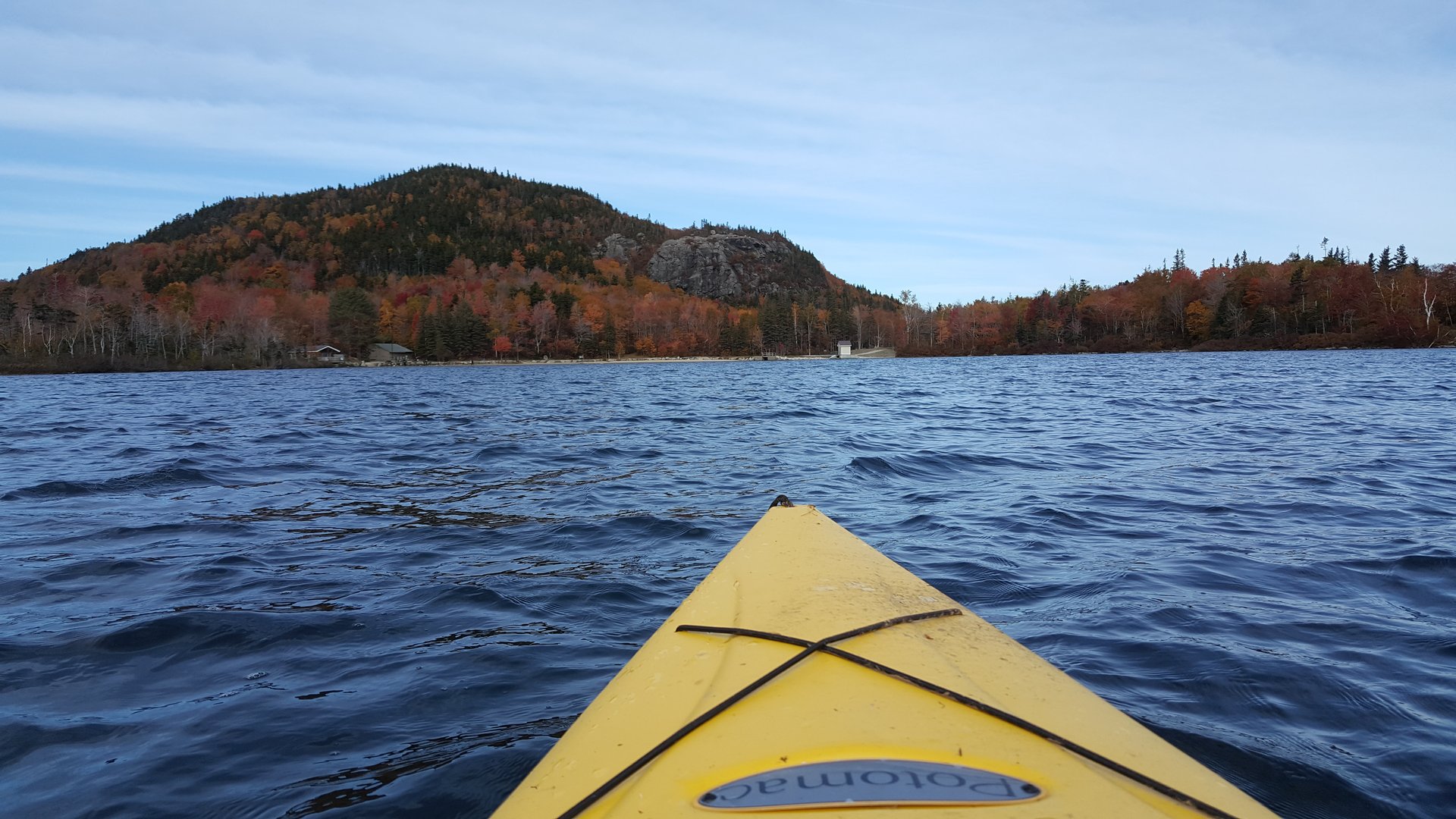
You can kayak into some Algarve sea caves, but only in small swell, generally under about 1 m and preferably much less, and with a tide and time of day that suit the cave. Early mornings are best, a guided trip is wise for a first visit, and you should never enter a cave alone.
The central Algarve coast, between roughly Lagos and Albufeira, has soft golden limestone cliffs eroded into arches, stacks and caves. The same swell that makes a cave look dramatic can make it dangerous.
Why are sea caves more dangerous than open water?
Sea caves are more dangerous because swell has nowhere to go inside them. Waves enter, reflect off the back wall and rebound, creating confused, surging water. Even a modest swell can surge a metre or more in a narrow entrance, and the water level inside can rise and fall quickly.
- Surge and backwash. You can be pushed in and pulled out in the same minute.
- Hidden rock. Submerged shelves and boulders near the entrance.
- Limited headroom. Low ceilings at high tide, or when a wave lifts you.
- Poor communication. Noise echoes, and it is hard to hear a shout.
- No easy exit. In some caves you cannot get out onto land.
How big a swell is too big for the Algarve sea caves?
As a conservative guide, many guides and operators treat anything much above about 1 m of swell as a reason to avoid caves, and prefer much less for cave entry. Period matters too: a longer-period swell carries more energy into the cave mouth than the height alone suggests.
The Algarve faces south, so it is partly sheltered from the big north-west Atlantic swells that hit Portugal's west coast, but south-westerly and southerly swells arrive. A short, choppy swell is easier to read. We cover why in our guide to swell period.
If the forecast shows a long-period swell from the south-west, even at modest height, treat it with caution. Check the wind too: a strong onshore wind adds chop and makes it harder to hold position.
How does the tide affect kayaking into caves?
The Algarve has a semi-diurnal tide with a range of around 2 to 3.5 m depending on the lunar cycle, and it changes cave access. Mid tide is often a good compromise, but each cave has its own pattern, so check tide times before you commit and plan to be back well before conditions change.
- Low tide. More beach and rock is exposed, which can make entrances shallow and reef-lined and reveal obstacles.
- High tide. More depth, but less headroom in the cave and entrances. Some arches are difficult or unsafe at the top of the tide.
Spring tides, around full and new moon, give the largest range and strongest flow. Neaps are gentler.
What is the best time of day to kayak the Algarve caves?
Early morning is almost always best, because wind is lightest at dawn and builds through the day as the land heats up, and the sea breeze can turn calm water into chop by early afternoon. We wrote about the rhythm of Algarve mornings in Algarve mornings: SUP, swim and surf, and it applies to kayaking too.
Going early also avoids the crowds. In summer, popular cave spots can have dozens of kayaks, paddleboards and tour boats around the entrances at once. A crowded entrance is harder to manoeuvre in, and collisions are a real risk.
Should you kayak the Algarve caves with a guide?
Yes, for a first visit a guided trip is the better choice. A guide knows which caves are accessible on which tide and swell, what the current rules are and what to do if conditions turn. Local regulations on access to some caves and beaches have changed in recent years, so check current rules with a local operator or the municipality.
Solo paddling is reasonable only for experienced sea kayakers who can do assisted rescues, read the sea and carry the right kit. If that is you:
- Tell someone your route and expected return time.
- Carry a VHF radio or a waterproof phone case, and know the emergency number, 112.
- Wear a buoyancy aid and a helmet if entering caves.
- Never go into a cave alone.
- Watch the cave mouth for five to ten minutes before going in.
If the swell surges visibly, move on. There is always another day.
Where should you start kayaking on the Algarve?
Start near Praia da Rocha and Alvor, which offer a mix of sandy beaches and cliff-backed shoreline, each with its own character on different swell and wind. Focus on the combination of swell height, period and tide rather than a single number.
The kayaking hub shows conditions for paddling spots. 4Shor's kayak score penalises wind chop, offshore wind and tidal current, and weighs wave height, but it knows nothing about cave access, so for sea caves treat it as a first filter and be conservative. A calm, early morning at slack tide is a far better way to see the coast.
What should you wear and carry when sea kayaking?
Wear a buoyancy aid at minimum, and carry a helmet, whistle, sun protection, a dry bag with a phone in a waterproof case, plus water and a snack. The Atlantic off the Algarve is typically 16 to 20 °C through summer, and a swim after a capsize can chill you faster than you expect.
- A helmet for any cave entry.
- A whistle attached to your buoyancy aid.
- Sun protection, because the cliffs reflect heat and open water offers no shade.
- A spray deck and a paddle float if you are in a sea kayak.
- Water and a snack. A cave tour can take longer than planned.
None of it is complicated, but each item removes a way for a pleasant morning to turn into a call to the coastguard.
More stories
 Comparison
The best water-sports forecast apps in 2026
An honest, sport-by-sport look at the forecast apps worth your time — Surfline, Windy, Windguru, Windfinder and 4Shor — and which one fits how you ride.
 Field notes
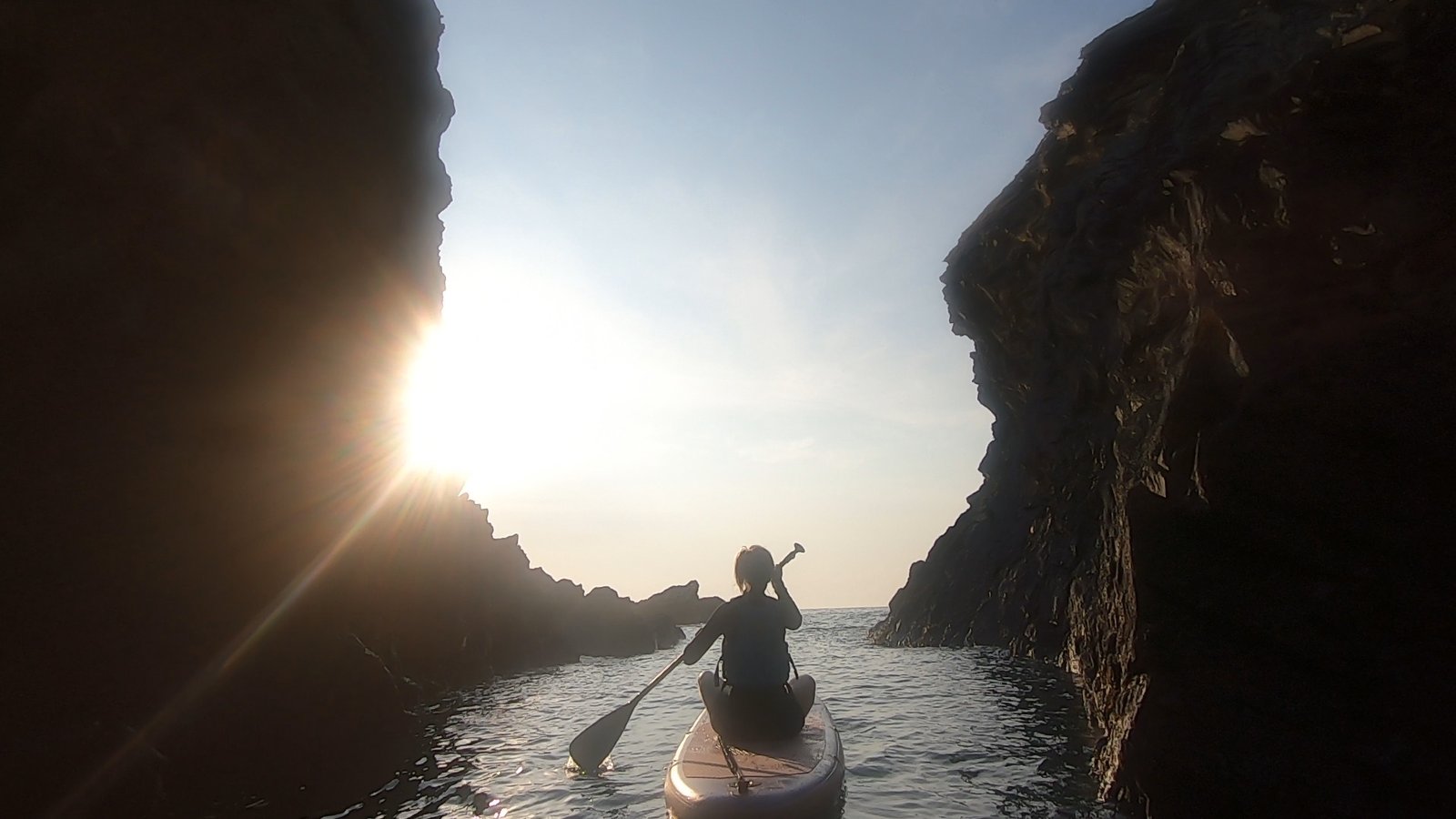
Paddleboarding into the Witches Cauldron, Pembrokeshire
Moving our Pembrokeshire trip to a calmer Friday evening so Sarah, new to paddleboarding, could SUP through the arch into the Witches Cauldron — and out at sunset.
 Field notes
Three days chasing wind in Tarifa
A first-person diary of a long weekend on the Strait of Gibraltar — reading Levante against Poniente, rigging up, and the session that made the trip.
Find your next session.
4Shor scores every spot for your sport and ability, up to 8 days ahead — so you always know when to go.