
Three days chasing wind in Tarifa
In Tarifa, Poniente is the friendlier westerly and Levante the strong, gusty easterly: we rode 18 knots Poniente, then small-kit Levante at Valdevaqueros.
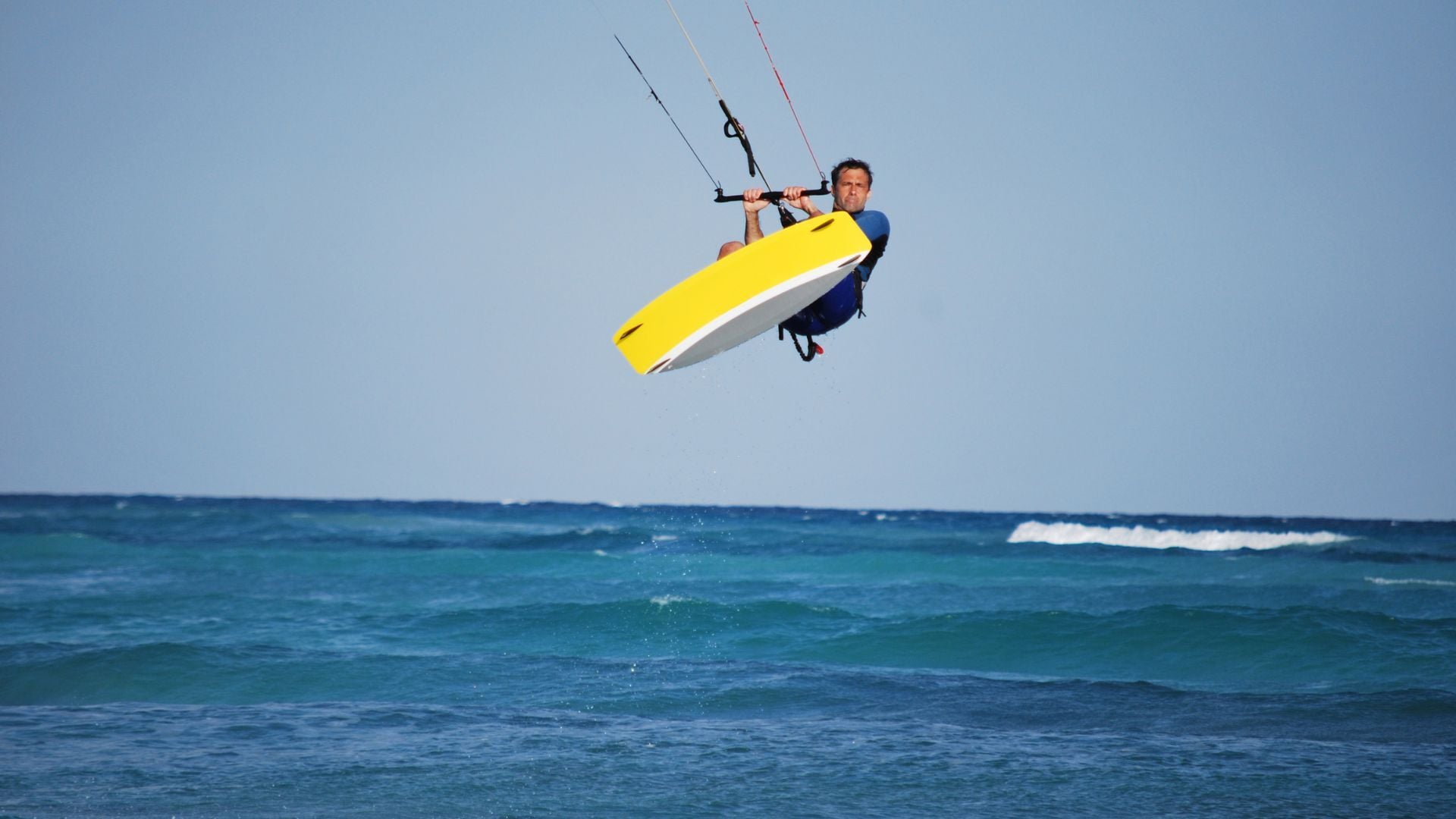
Three days in Tarifa, one bag of kit, and a simple plan: ride whatever the Strait threw at us. Here's how the long weekend actually played out — because the wind here has a personality, and learning to read it is half the fun.
This is a first-person diary of kitesurfing in Tarifa over a long weekend, and the takeaways at the end cover how to tell Levante from Poniente and how to match kit to each day.
Day one — Poniente, easing in
We landed to a friendly westerly Poniente, cross-onshore at Los Lances and blowing a steady 18 knots. Perfect first-day wind: smooth, forgiving, and pushing you back to the beach rather than out to sea. Rigged a mid kite, spent the afternoon relearning the water after a few weeks off, and watched the beach fill with every discipline going — kite, wing and windsurf all sharing the bay.
Day two — the wind switches
Overnight the forecast flipped to Levante — the strong, dry easterly that gives Tarifa its reputation. By late morning it was gusting well into the high twenties and getting punchy near the town beaches. We drove up to Valdevaqueros where it was more manageable, sized right down, and got the session of the trip: fast, powered, endless space. Levante rewards you for reading it properly and punishes you for ignoring the gusts — we kept one eye on the sky the whole time.
Day three — a slow morning, a golden evening
The wind slept in on the last day. Rather than force it we had a slow breakfast, wandered the old town, and waited. The thermal filled in mid afternoon — a clean, building Poniente that peaked into a golden, glassed-off evening session. Sometimes the best call is patience.
What is the difference between Levante and Poniente in Tarifa?
Levante is the strong, dry easterly that gives Tarifa its reputation, while Poniente is the friendlier westerly. On our trip Poniente was cross-onshore at Los Lances at a steady 18 knots, smooth and forgiving. Levante was gusting well into the high twenties, getting punchy near the town beaches and more manageable at Valdevaqueros.
For the full breakdown, read the Tarifa wind guide.
How do you choose kit and beach for each Tarifa wind?
Match the kite size and the beach to the day's wind. We rigged a mid kite for the steady 18-knot Poniente, then sized right down and drove to Valdevaqueros when Levante gusted into the high twenties. When the wind is light, patience beats forcing it: on day three we waited until the thermal filled in mid afternoon.
What made it work
The trip came down to matching each day to the wind: easy Poniente to warm up, small-kit Levante for the big session, patience when it was light. That's the exact judgement 4Shor is built to make for you — it scores each spot for your sport and ability across the days ahead, so you rig the right gear and pick the right beach instead of guessing. Remember that the forecast also shows gusts, which the score itself does not account for, so check them yourself.
Thinking of going? Read the deeper Tarifa wind guide for the Levante-vs-Poniente breakdown, or brush up on reading the wind before you fly.
More stories
 Interview
4Shor on The Kite Pod: hyper-local forecasting, explained
Richard Brittan joins IKSURFMAG's The Kite Pod to unpack how 4Shor turns raw wave, wind and tide models into a score you can actually ride by.
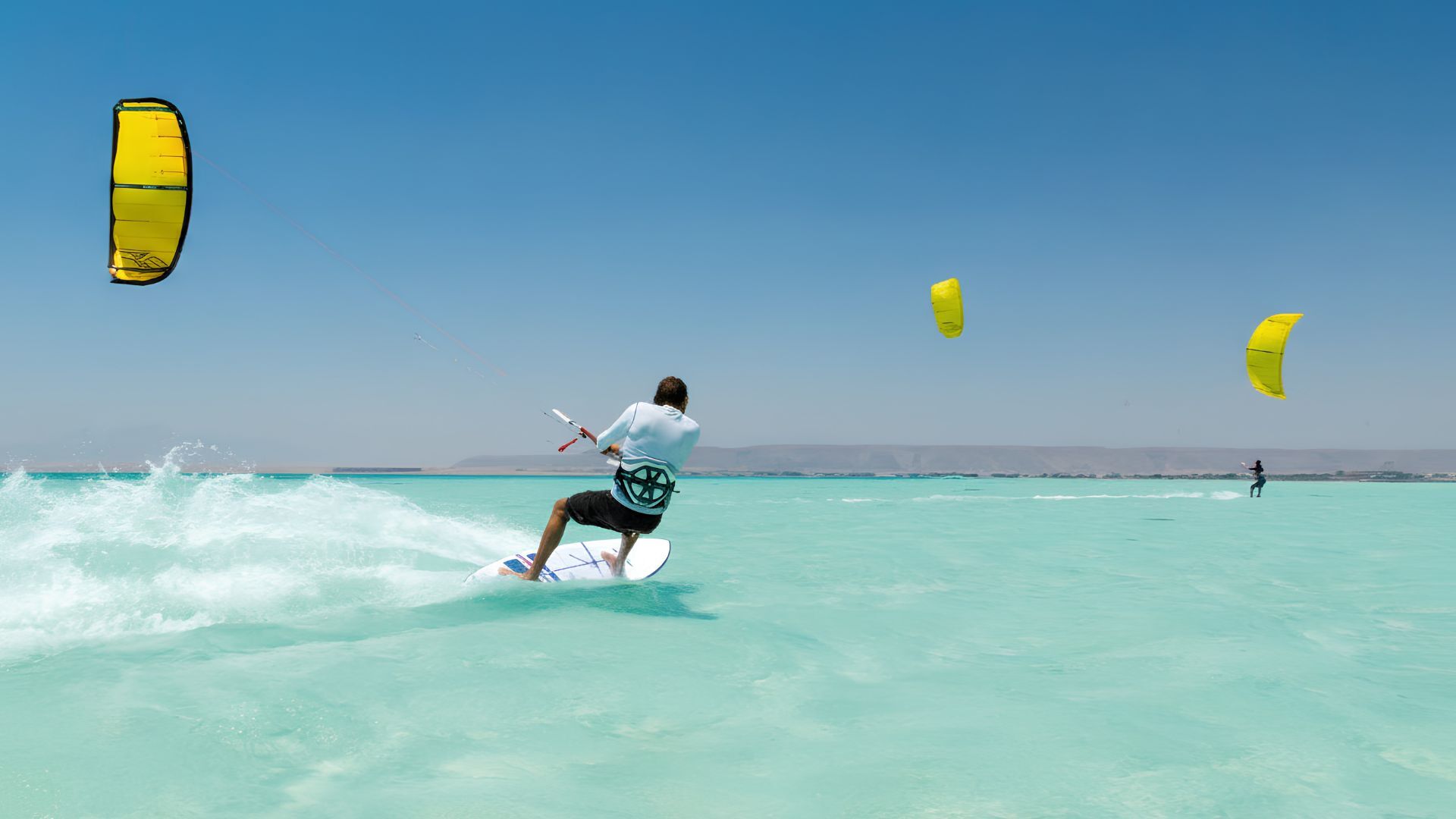 Getting started
Kitesurfing for beginners: wind, kit and your first sessions
What wind you actually need, why lessons come first, and how to read conditions so your early kitesurfing sessions are safe and fun.
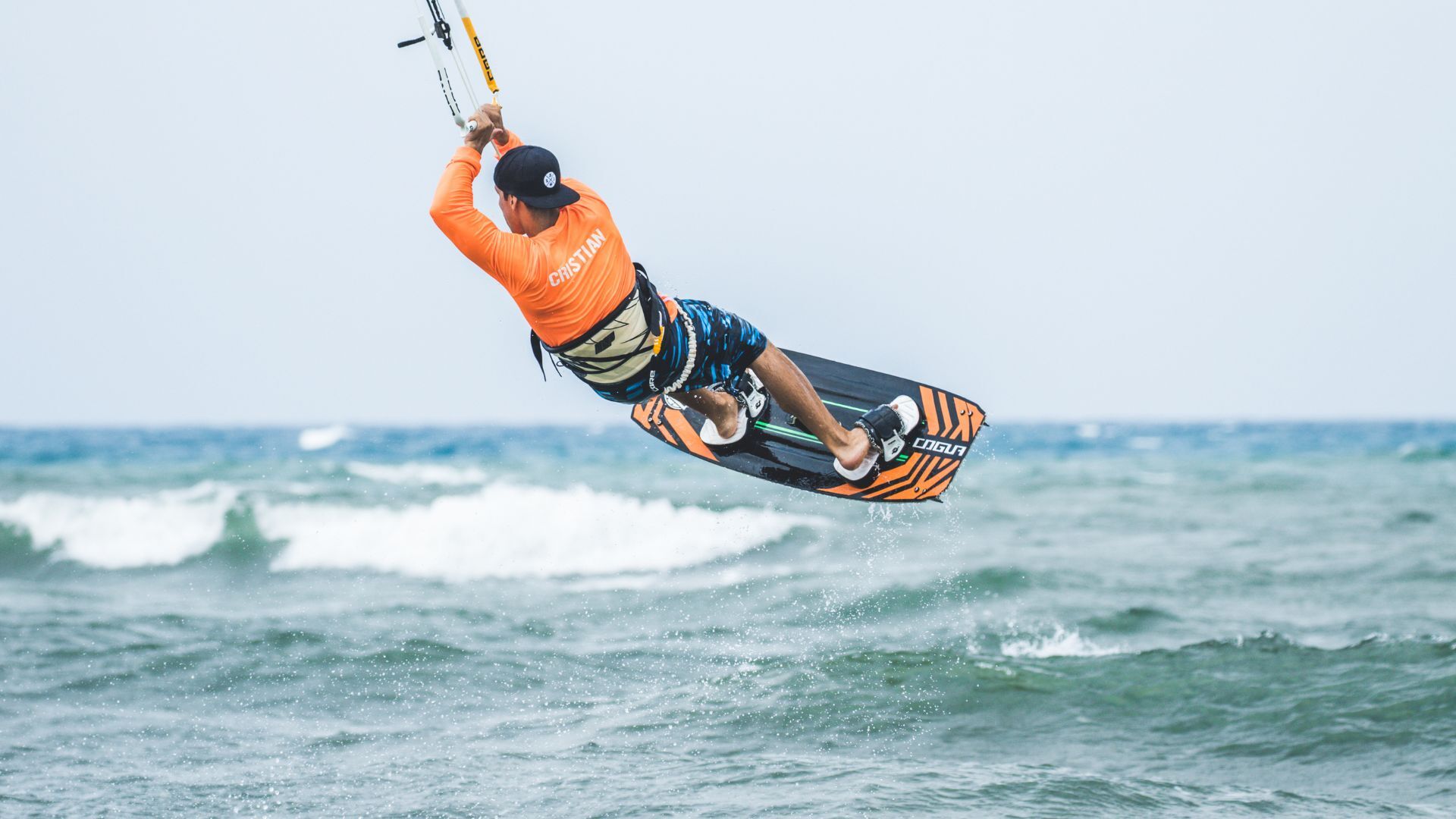 Travel
Tarifa: Europe's wind capital, and when to ride it
Two winds, two seasons and miles of beach. A rider’s guide to Tarifa in southern Spain — what Levante and Poniente mean for your session.
Find your next session.
4Shor scores every spot for your sport and ability, up to 8 days ahead — so you always know when to go.