Tarifa: Europe's wind capital, and when to ride it
Tarifa is Europe's wind capital because the Strait of Gibraltar funnels air between Spain and Morocco; ride Poniente to learn and Levante for power, May to September.
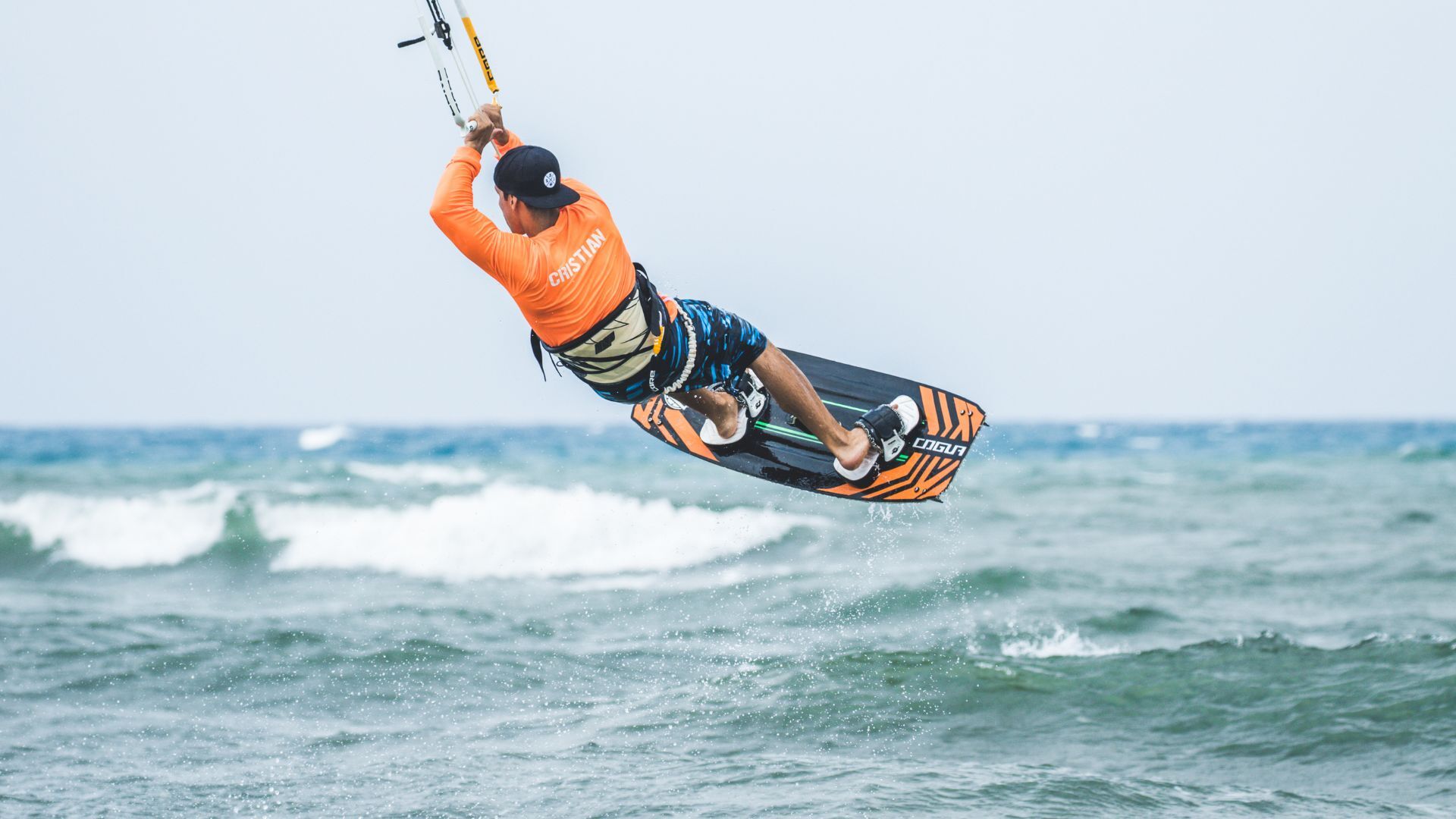
Tarifa is Europe's wind capital because the Strait of Gibraltar acts as a giant funnel, accelerating air between the mountains of Spain and Morocco. It sits at the southernmost tip of mainland Europe, and understanding its two signature winds, Levante and Poniente, is the key to timing a trip right.
Why is Tarifa so windy?
Tarifa is so windy because the Strait of Gibraltar acts as a giant funnel. Air squeezing between the mountains of Spain and Morocco accelerates dramatically, so Tarifa sees rideable wind on a huge proportion of days, especially in summer.
Add miles of open, sandy beach and warm water, and you have close to the perfect wind-sports set-up. This is where the Atlantic squeezes through the Strait into the Mediterranean, at a small Andalusian town riders travel across the world for.
Is Tarifa the wind capital of Europe?
Yes, Tarifa is widely treated as Europe's wind capital, and riders travel across the world for it. The reasons are the funnelled winds of the Strait, rideable wind on a huge proportion of days, miles of open sandy beach and warm water.
It is also described as Europe's undisputed kite and wing hub, with dependable breeze through summer.
What is the difference between Levante and Poniente?
Levante is Tarifa's strong easterly wind and Poniente is its smoother westerly, and which one is blowing completely changes the day. Tarifa runs on these two opposing winds.
- Levante (easterly): the strong, dry wind off the Mediterranean. It can be powerful and gusty, blowing offshore-ish at the town beaches, and it is what produces Tarifa's legendary high-wind days. Great for experienced riders on small gear; a handful for beginners.
- Poniente (westerly): the smoother, more humid Atlantic wind. It is cleaner and more consistent, blowing cross-onshore at the main beaches, which makes it far friendlier for learning and for relaxed freeriding.
The practical takeaway: if you are still building confidence, hope for Poniente. If you are chasing power and know what you are doing, Levante days are why Tarifa has its reputation. Reading the strength, direction and gust factor matters more here than almost anywhere.
When is the Tarifa wind season?
The Tarifa wind season peaks in summer, roughly May to September, when the wind is most reliable, the water is warm and the beach scene is at full tilt. Spring and autumn are quieter and still deliver, though the wind is less of a certainty.
Winter is mild but far less dependable for wind.
Where should you ride in Tarifa?
The main kite and wing beaches stretch for miles northwest of town. Los Lances is the big, central beach and the scene's hub, while Valdevaqueros, further up, catches strong wind and is a classic.
Beginners are usually steered to the friendlier, cross-onshore Poniente days on the main beaches, always through a school.
What is there to do in Tarifa when it is not windy?
On the rare windless day Tarifa still delivers: flat mornings are perfect for paddleboarding, the old town is full of character, and whale-watching trips head out into the Strait. It is an easy place to build a trip around.
How can you time your Tarifa session?
Whether it is Levante or Poniente, 15 knots or 40, the wind here changes the game day to day. 4Shor scores Tarifa (and the rest of Europe) for kitesurfing, wing foiling and windsurfing at your ability level, up to eight days ahead, so you can book the right week and ride the right days.
Looking further afield? See Europe's best watersports destinations.
More stories
 Field notes
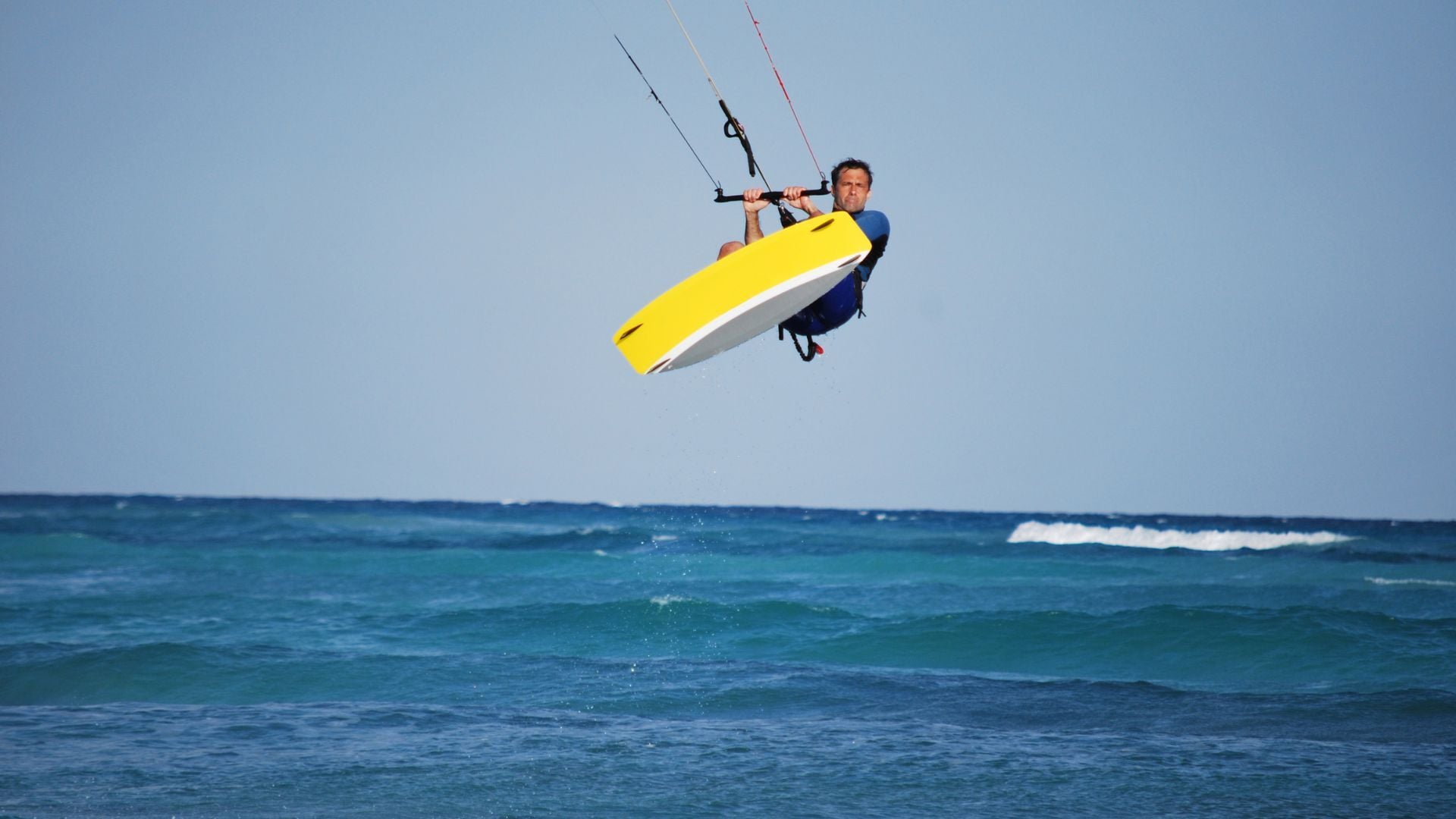
Three days chasing wind in Tarifa
A first-person diary of a long weekend on the Strait of Gibraltar — reading Levante against Poniente, rigging up, and the session that made the trip.
 Interview
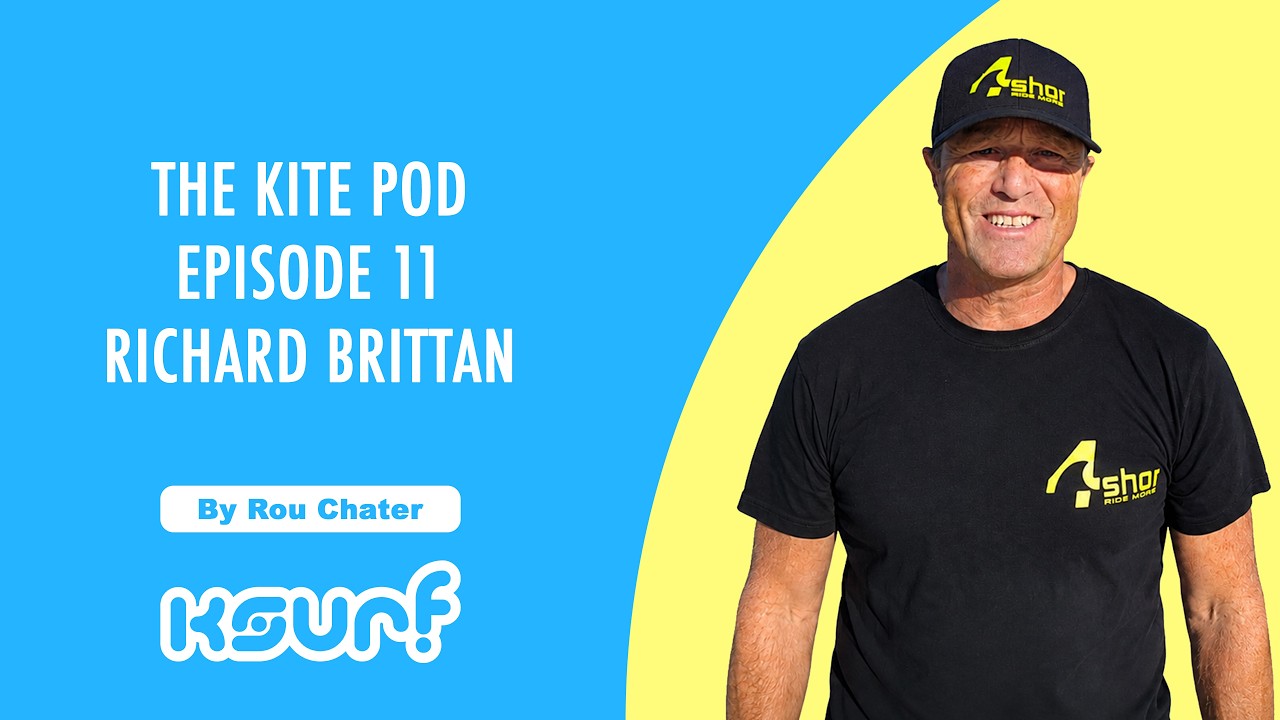
4Shor on The Kite Pod: hyper-local forecasting, explained
Richard Brittan joins IKSURFMAG's The Kite Pod to unpack how 4Shor turns raw wave, wind and tide models into a score you can actually ride by.
 Getting started
Kitesurfing for beginners: wind, kit and your first sessions
What wind you actually need, why lessons come first, and how to read conditions so your early kitesurfing sessions are safe and fun.
Find your next session.
4Shor scores every spot for your sport and ability, up to 8 days ahead — so you always know when to go.