Kitesurfing for beginners: wind, kit and your first sessions
What wind you actually need, why lessons come first, and how to read conditions so your early kitesurfing sessions are safe and fun.
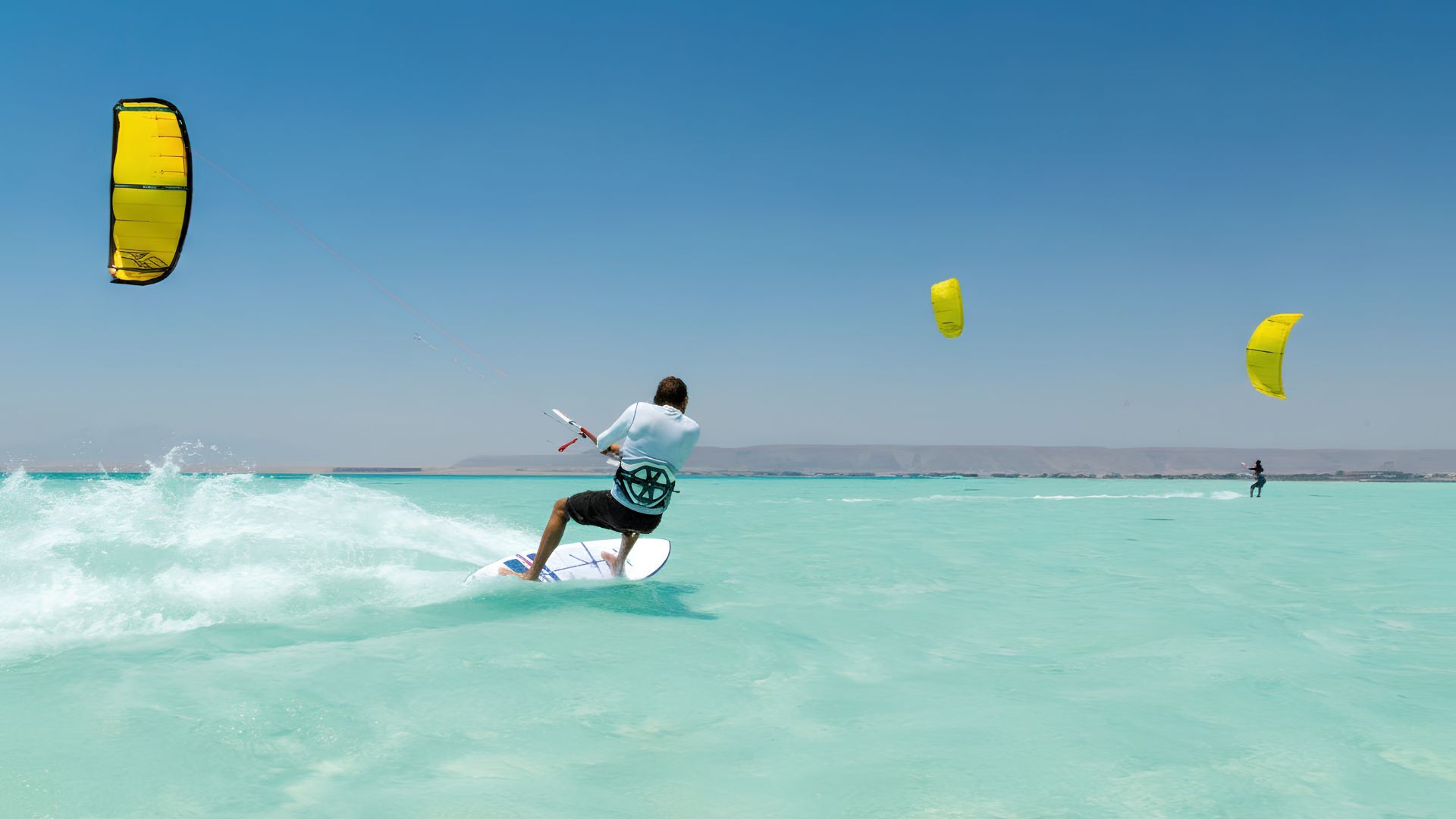
Kitesurfing looks intimidating from the beach, but the learning curve is friendlier than it appears — provided you respect two things: the wind, and the value of proper lessons. This guide covers what wind you actually need, why you should never teach yourself, and how to read conditions so your early sessions build confidence instead of scares.
Take lessons. Seriously.
Kitesurfing is the one watersport where self-teaching is genuinely dangerous. A powered kite can drag or lift you, and the safety systems only help if you know how to use them. A certified school (IKO or VDWS) will get you flying a trainer kite, body-dragging and understanding the wind window in a few structured sessions — far faster and safer than trial and error. Treat lessons as non-negotiable, not optional.
How much wind do you need?
The honest answer is "enough to stay upwind, not so much that you're overpowered." For a beginner on a decent-sized kite, that's usually around 12–20 knots of steady wind. Below that you struggle to get going; well above it, everything happens too fast to learn.
Just as important as speed is consistency. Gusty, on-off wind is hard and unnerving to learn in. Look for a smooth, steady forecast rather than a headline average that hides big gusts — more on gust factor in our guide to reading the wind for kite & wing.
Wind direction is everything
Direction decides whether a spot is safe to learn at:
- Cross-shore or cross-onshore — the sweet spot. Wind blowing along the beach or slightly onto it keeps you close to shore if things go wrong.
- Onshore — safe-ish (it pushes you back to the beach) but makes staying upwind harder.
- Offshore — avoid entirely as a beginner. Wind blowing out to sea will carry you away from safety. Never learn in offshore wind.
Water and space
Flat, shallow water — a lagoon, an estuary, or a beach at low tide — is the ideal beginner classroom: you can stand up, and there's no chop knocking you off balance. You also want a wide, uncrowded beach with a clean, obstacle-free launch area. Kites need a lot of downwind space; power lines, buildings and other beach users are hazards.
Respect the conditions
- Check the full forecast, not just the peak gust — squalls kill sessions.
- Rig down (smaller kite) when in doubt. Overpowered is where injuries happen.
- Know your safety release and self-rescue before you need them.
- Watch the sky: dark cloud lines and fronts can bring sudden, violent gusts.
Let 4Shor find your window
Beginner kite conditions are specific — steady mid-range wind, the right direction, forgiving water — and they don't come along every day. 4Shor scores each spot for kitesurfing at your ability level, so a high score for a beginner means genuinely learnable wind, not a 44-knot storm day only an expert would touch.
See what it scores for kitesurfing, then set an alert so you know the moment your beach comes good.
More stories
 Field notes
Three days chasing wind in Tarifa
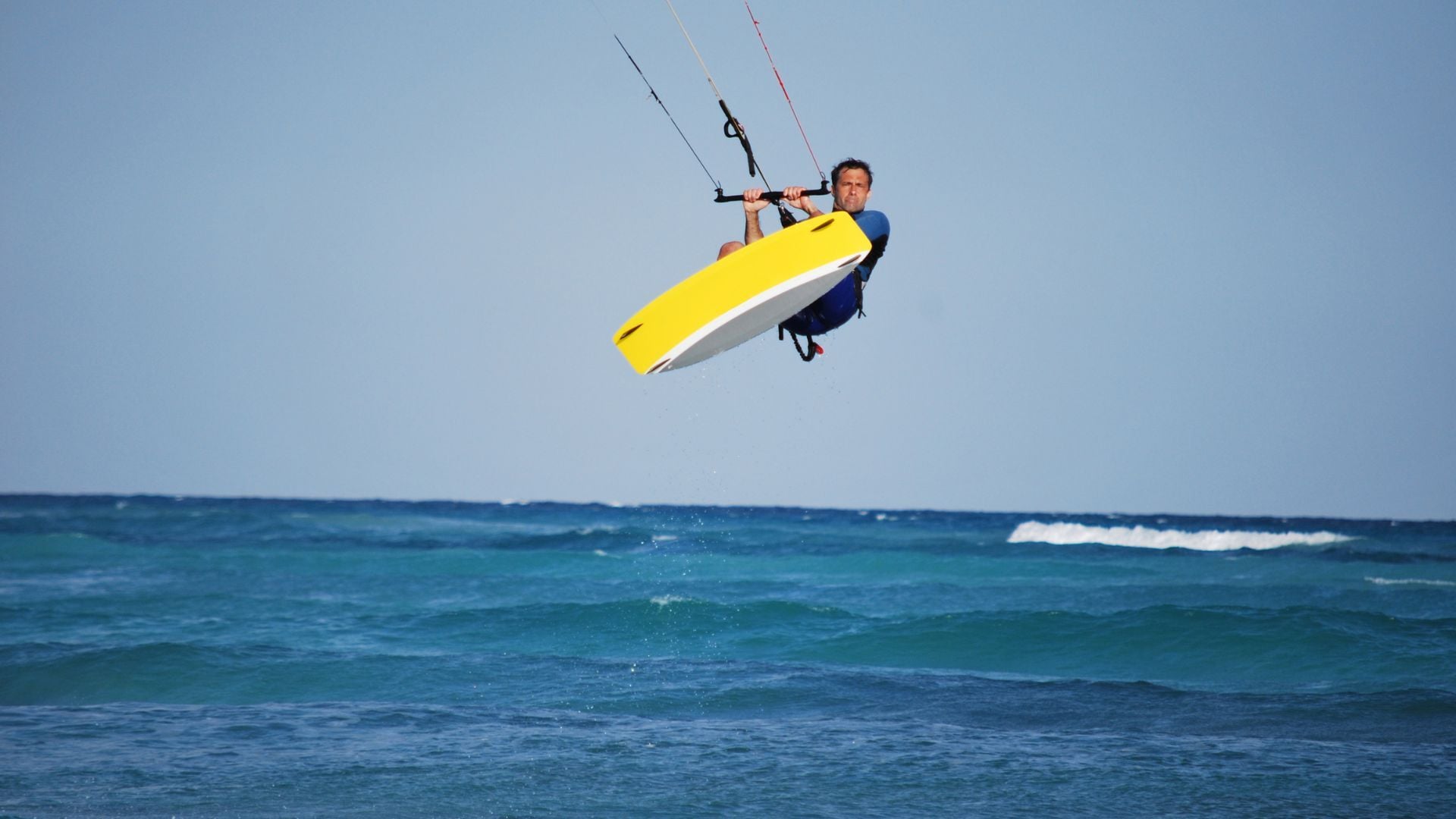
A first-person diary of a long weekend on the Strait of Gibraltar — reading Levante against Poniente, rigging up, and the session that made the trip.
 Interview
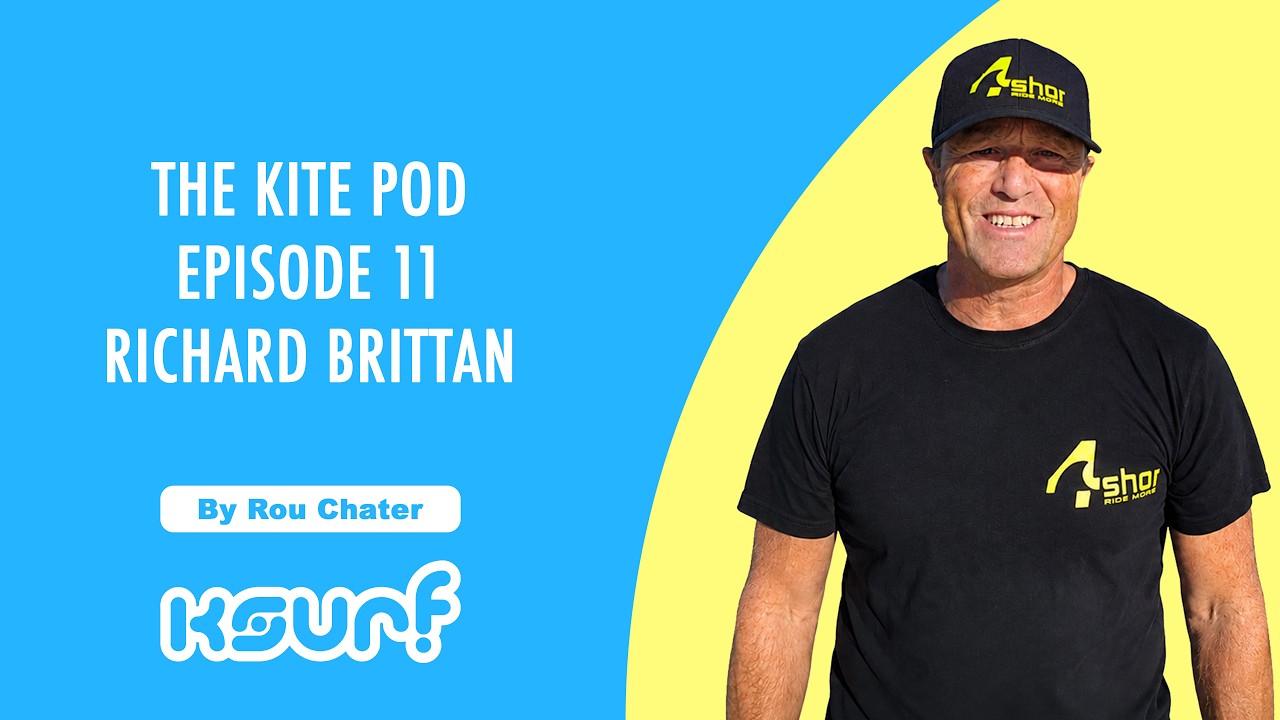
4Shor on The Kite Pod: hyper-local forecasting, explained
Richard Brittan joins IKSURFMAG's The Kite Pod to unpack how 4Shor turns raw wave, wind and tide models into a score you can actually ride by.
 Travel
Tarifa: Europe's wind capital, and when to ride it
Two winds, two seasons and miles of beach. A rider’s guide to Tarifa in southern Spain — what Levante and Poniente mean for your session.
Find your next session.
4Shor scores every spot for your sport and ability, up to 8 days ahead — so you always know when to go.