Cape Verde for winter kitesurfing: what to actually expect
Yes: December is trade-wind season on Sal and Boa Vista, with kiteable wind on roughly 80–85% of days, for about a 6-hour flight from the UK.
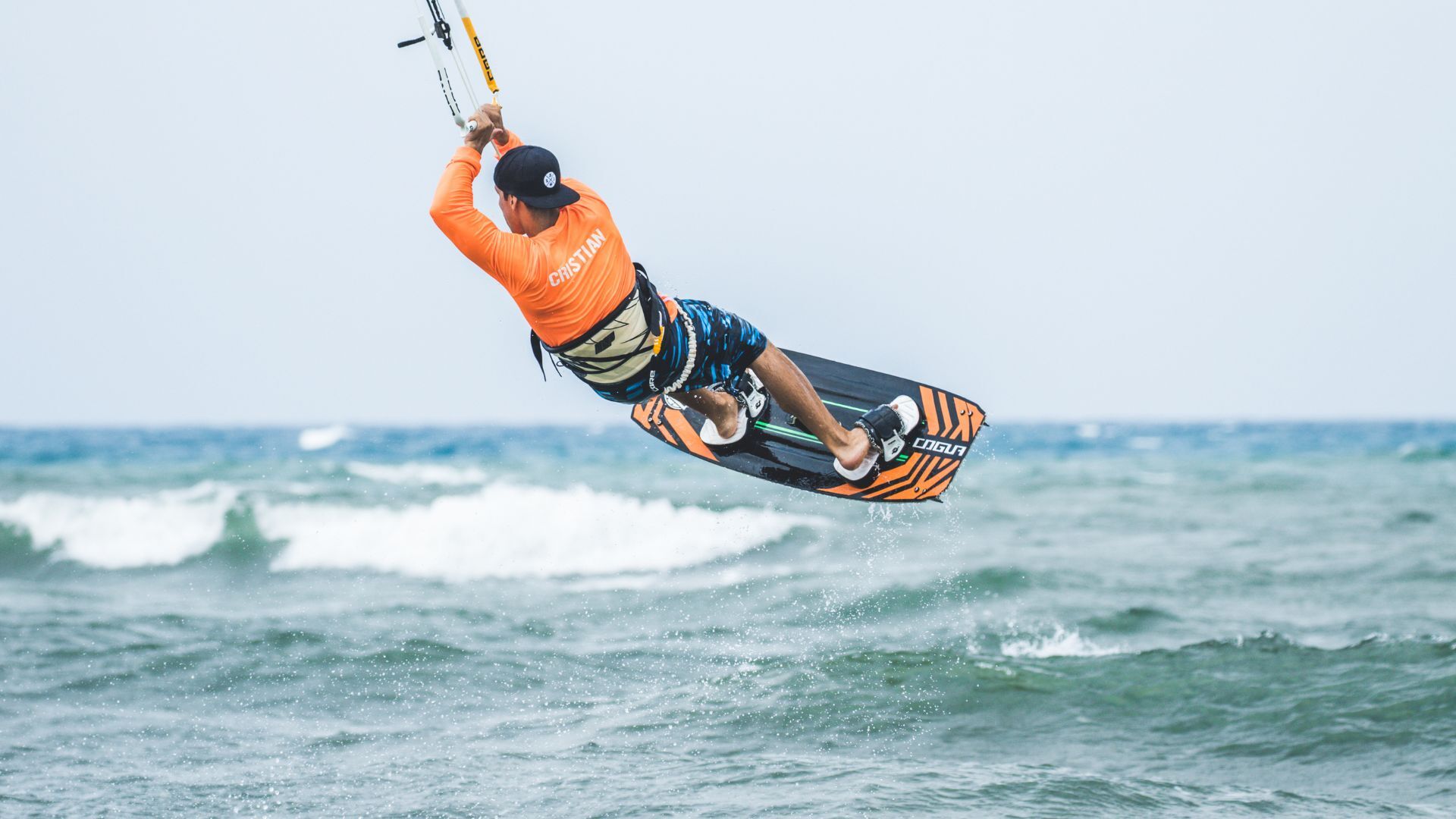
Yes, Cape Verde is good for kitesurfing in winter. December sits inside the reliable trade wind season, with roughly 80–85% of days delivering kiteable wind, typically low-to-mid 20s knots on Sal. It is a roughly 6-hour flight from the UK against about 4 hours to the Canaries, so the trade-off is travel time for space and session length.
If you're a UK-based rider trying to decide where to spend a week of December wind, the choice usually comes down to two options: fly six hours to Cape Verde, or fly four hours to the Canaries. Both promise reliable trade winds and warm water when home is grey and the kitesurfing season has effectively shut down. But they're not the same trip, and the marketing copy for both tends to gloss over the bits that actually matter when you're stood on a beach deciding whether to rig a 9m or a 12m. I'll try to be straight about what you're actually getting.
How long is the flight to Cape Verde compared with the Canaries?
From the UK, Gran Canaria or Fuerteventura is a 4-hour direct flight from most regional airports, while Cape Verde is closer to 6 hours. Outside peak winter season the direct Cape Verde options thin out, and a connection through Lisbon or Amsterdam can push door-to-door travel past 12 hours.
The Canaries have frequent charter and budget routes. That extra two hours in the air (or four, with a bad connection) buys you two things: fewer people on the water, and, on the right island, a slightly more consistent wind statistic. Whether that trade is worth it depends entirely on how much you value elbow room over convenience, and how many days you've actually got to spend.
Is Sal or Boa Vista better for kitesurfing?
Sal is better for most riders because it is the established, easier base, while Boa Vista suits experienced riders chasing bigger wind. Sal has schools, storage and a long, straight, side-shore beach at Santa Maria, whereas Boa Vista is windier on paper in many long-term averages but more exposed, more remote and thinner on infrastructure.
Cape Verde isn't one wind climate, it's ten islands with quite different exposure, and the two that come up in every kitesurfing forum thread are Sal and Boa Vista.
Sal has been a kite destination for over a decade. The trade winds here are driven by the same north-east Atlantic system that fuels Canaries wind, but Sal sits further into the trade wind belt, so December sessions tend to hold wind for longer stretches of the day rather than building and dying with a thermal cycle. If the forecast says wind from 11am, it's usually still there at 4pm.
Boa Vista has fewer reliable launch spots with easy rigging space, and the infrastructure (car hire, kite shops, English-speaking rescue if something goes wrong) is thinner than Sal's. If you're an experienced rider chasing bigger, more consistent wind and don't mind a rougher edge to the trip, Boa Vista rewards you. If you want a straightforward week where the hardest decision each day is which restaurant to eat at, Sal is the easier island.
How reliable is the wind in Cape Verde in December?
Cape Verde wind in December is reliable but not guaranteed: December sits inside the trade wind season for both Sal and Boa Vista, and "reliable" in a forecasting sense means roughly 80–85% of days delivering kiteable wind, not 100%. Neither island promises a 30-knot week.
Expect one or two lighter days where a 70 on the wind score (in the 65–79 "good" band of 4Shor's 0–100 scale) means a smaller kite and patchy gusts rather than a written-off session. Build your trip length around that rather than around the best-case Instagram average.
What does a typical December kitesurfing session in Cape Verde look like?
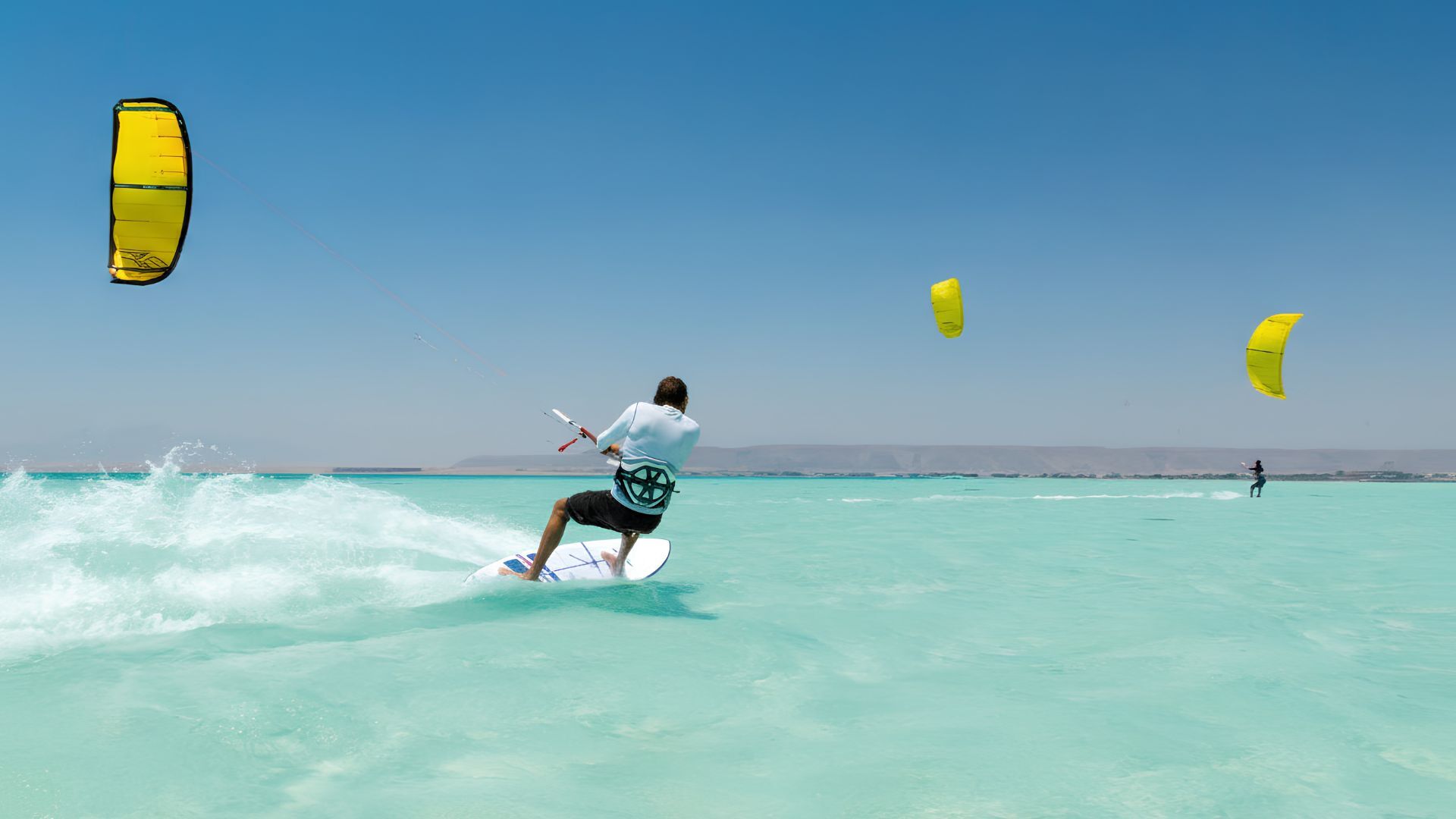
A typical December day on Sal starts calm-ish, with the trade wind filling in from mid-morning as the land heats up. By midday you're usually looking at low-to-mid 20s knots, side-shore, with flat-ish water close to the beach and some chop further out depending on the tide, giving a 4–5 hour window.
Air temperature sits around 22–25°C, water a touch cooler: a shortie or boardshorts most days, though a thin vest is worth packing for early starts. The wind usually holds through the afternoon and eases off toward sunset, giving you a genuine 4–5 hour window most days rather than a narrow lunchtime slot.
That's a meaningfully different rhythm to somewhere like Tarifa, where, as I've written about in the piece on Europe's wind capital, the Levante and Poniente systems can be more binary: strong and mechanical, or dead flat, with less of the gentle build-and-hold pattern Sal tends to offer in winter.
Boa Vista sessions look similar in timing but with more variability day to day. Some days mirror Sal almost exactly, others bring stronger, gustier wind off the more open Atlantic exposure, which suits bigger air and downwinders more than flat-water freestyle.
Is Cape Verde better than the Canaries for winter kitesurfing?
It depends on your time and priorities: Cape Verde is better for a week or more, wanting warmer water and more space, while the Canaries are better for four or five days and a sure thing close to home. Canaries win on cost and convenience; Cape Verde wins on space, water temperature and, on Sal, session length.
The Canaries offer shorter flights, more direct routes, cheaper accommodation, and a well-documented wind climate (particularly around the Fuerteventura and Gran Canaria coasts) that's well served by schools if you want lessons rather than just rigging solo.
What Cape Verde doesn't win on is flexibility. A bad wind week in the Canaries is a four-hour flight from home, easy to write off. A bad week in Cape Verde is a bigger investment of time and money, so it's worth checking a run of forecasts before committing rather than booking purely off long-term seasonal averages.
If you've got a full week or more, want warmer water than the Canaries can offer in December, and don't mind the extra travel time, Cape Verde is worth the flight: Sal for an easier trip, Boa Vista if you want more wind and don't mind fewer creature comforts. If you've got four or five days and want a sure thing close to home, the Canaries remain the more forgiving winter bet.
More stories
 Field notes
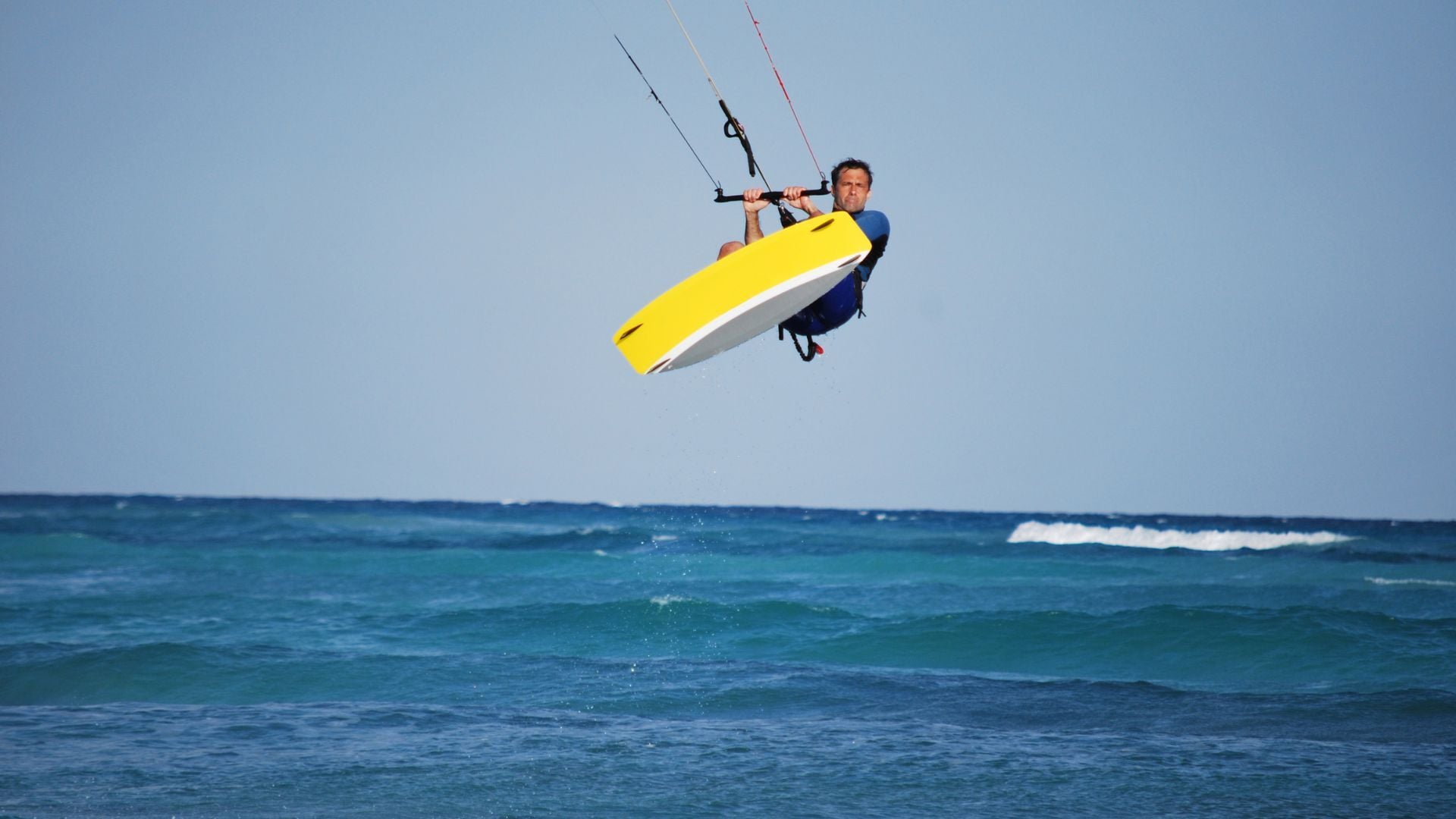
Three days chasing wind in Tarifa
A first-person diary of a long weekend on the Strait of Gibraltar — reading Levante against Poniente, rigging up, and the session that made the trip.
 Interview
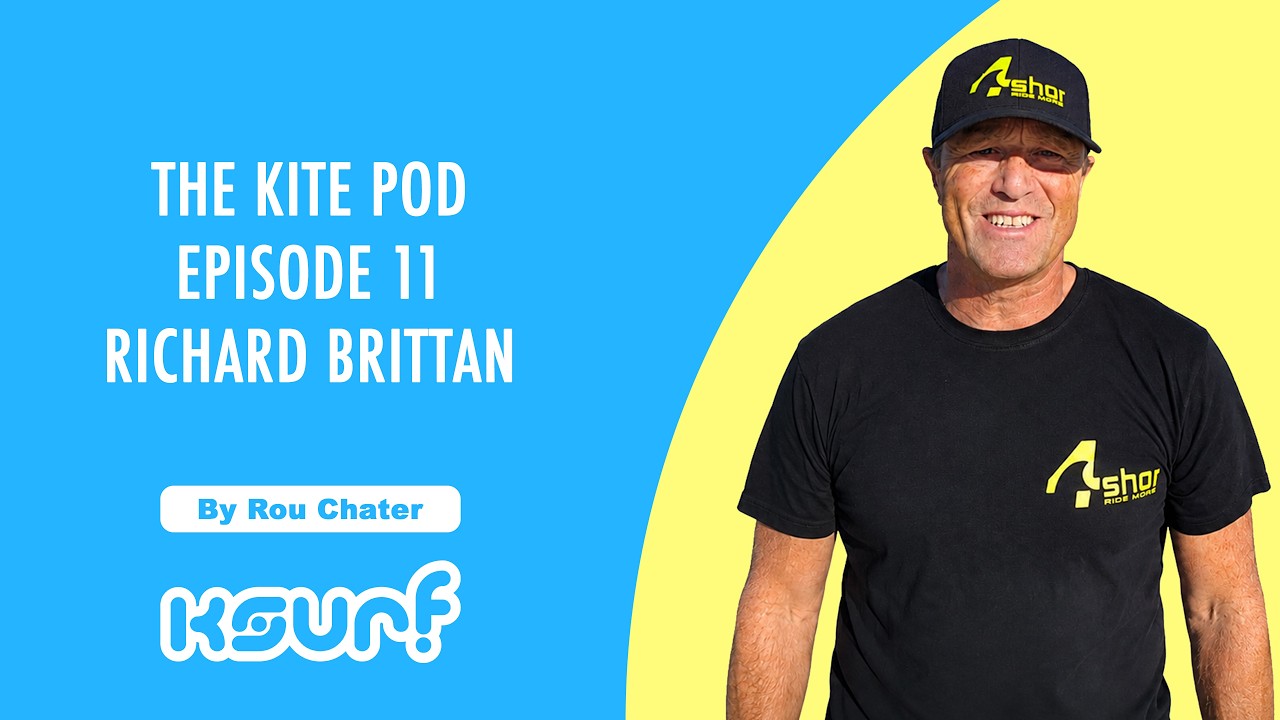
4Shor on The Kite Pod: hyper-local forecasting, explained
Richard Brittan joins IKSURFMAG's The Kite Pod to unpack how 4Shor turns raw wave, wind and tide models into a score you can actually ride by.
 Getting started
Kitesurfing for beginners: wind, kit and your first sessions
What wind you actually need, why lessons come first, and how to read conditions so your early kitesurfing sessions are safe and fun.
Find your next session.
4Shor scores every spot for your sport and ability, up to 8 days ahead — so you always know when to go.