
When to go: a season-by-season guide to European watersports
The best time for European watersports depends on the sport: surf peaks October to March, wind sports June to August, and September to October is the all-round sweet spot.
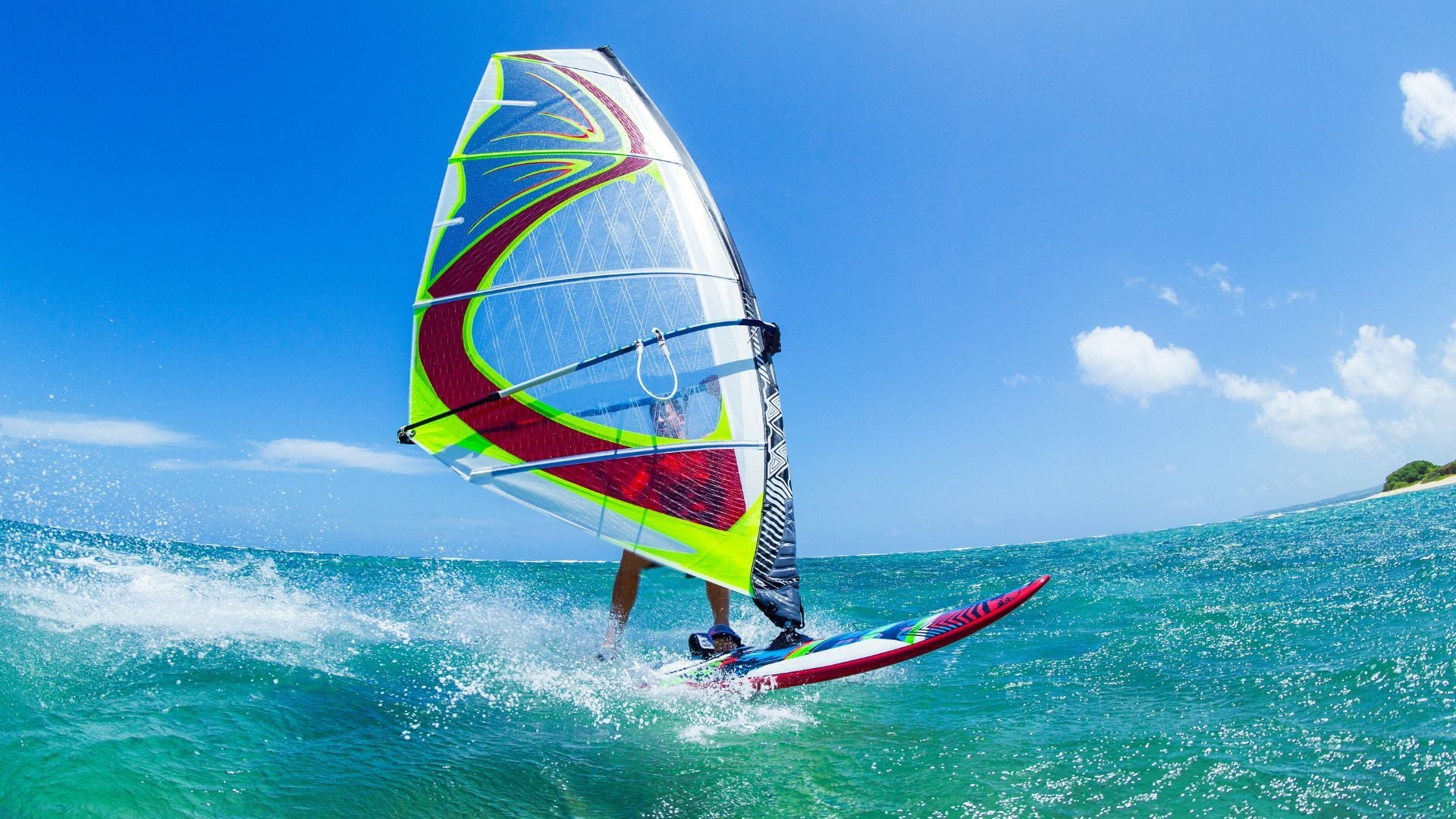
The best time for European watersports depends on the sport: surfing peaks from October to March, wind sports and flat-water disciplines peak from June to August, and early autumn (September–October) is the sweet spot for many riders. No single month suits every sport or every coast.
When is the best time to surf in Europe?
The best time to surf in Europe is autumn and winter, roughly October to March. Atlantic storms track across the ocean and fire consistent, powerful groundswell into the west-facing coasts of Portugal, Spain, France, Ireland and the UK.
- Best for: surfing and, for the experienced, big-wind kitesurfing on storm fronts.
- The trade-off: cold water and short days. A good wetsuit is essential, and conditions can be serious, so this season rewards experience.
- Where: Portugal's coast, southwest France, and the UK's Atlantic beaches all come alive.
Is spring a good time for European watersports?
Spring (April–May) is underrated: late-season swells still reach the Atlantic coasts, the crowds have not arrived and the thermal winds of the south are starting to switch on. Water is still cool but warming.
- Best for: surfers wanting uncrowded waves; early-season wind-seekers heading south.
- The trade-off: conditions are less reliable than peak season, so be flexible and let the forecast pick your days.
When is the best time for wind sports and flat-water sports in Europe?
The best time for wind sports and flat-water sports in Europe is summer, June to August. When the Atlantic goes quiet, the Mediterranean and its thermal winds take over, and reliable afternoon sea breezes bring warm water and long days.
- Best for: kitesurfing, windsurfing and wing foiling in the wind hotspots; and paddleboarding, swimming and kayaking in calm morning conditions everywhere.
- The trade-off: the Atlantic surf goes small, and the popular wind spots get busy.
- Where: Tarifa, the Greek islands, Sardinia and the French Med all deliver classic summer thermals.
Is autumn the best season for a European trip?
For many riders early autumn (September–October) is the best of everything. The water is still warm from summer, the thermals are still firing, and the first Atlantic swells of the season begin to arrive.
Crowds thin out as the holidaymakers leave. If you can only travel once, this shoulder is a superb bet.
How do seasonal winds and waves affect where you go?
Seasonal winds and waves decide which coast works: Atlantic swell favours the west coasts from October to March, while summer thermal winds favour the Mediterranean and the south from June to August. Match the sport to the season and coast, and pick a flexible window in spring.
Seasons give you the big picture, but conditions turn on the day.
How do you pick the exact days once you are there?
Seasons give you the big picture, but conditions turn on the day. 4Shor scores every spot up to eight days ahead for your sport and ability, so you can line up a trip around the season and pick the exact days that deliver once you are there.
Planning where to go next? Read Europe's best watersports destinations or browse the full list of spots.
More stories
 Comparison
The best water-sports forecast apps in 2026
An honest, sport-by-sport look at the forecast apps worth your time — Surfline, Windy, Windguru, Windfinder and 4Shor — and which one fits how you ride.
 Field notes
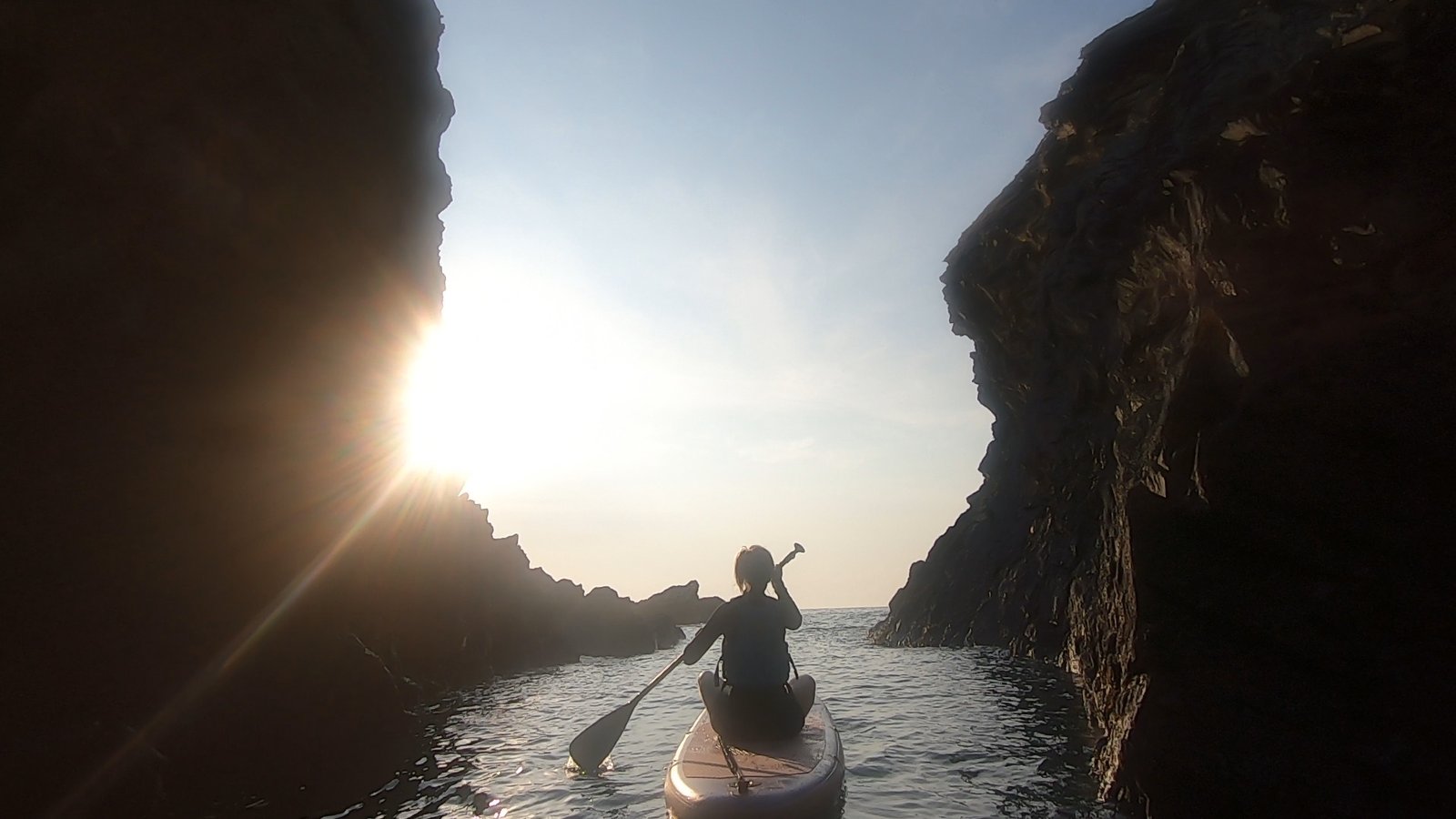
Paddleboarding into the Witches Cauldron, Pembrokeshire
Moving our Pembrokeshire trip to a calmer Friday evening so Sarah, new to paddleboarding, could SUP through the arch into the Witches Cauldron — and out at sunset.
 Field notes
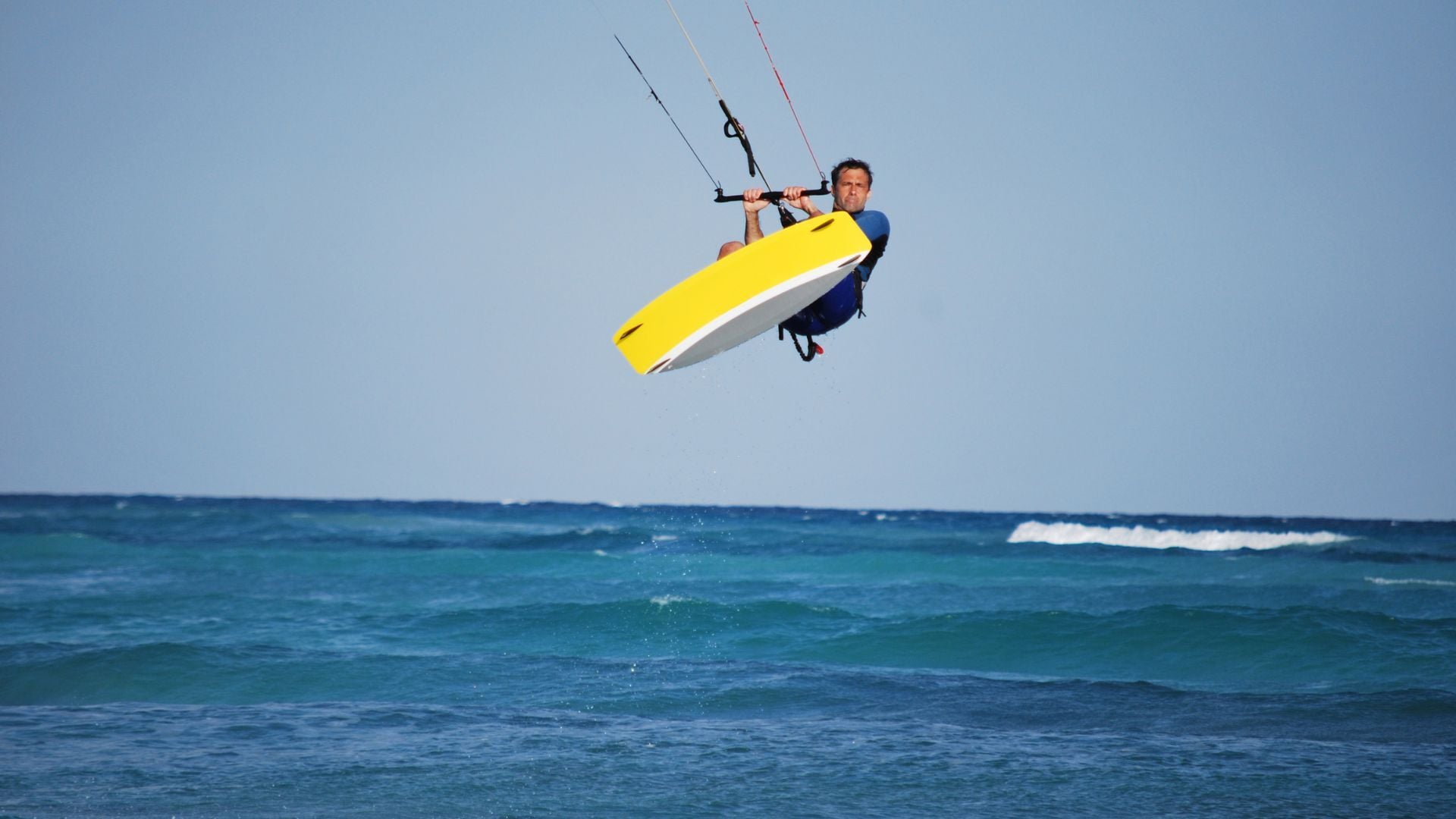
Three days chasing wind in Tarifa
A first-person diary of a long weekend on the Strait of Gibraltar — reading Levante against Poniente, rigging up, and the session that made the trip.
Find your next session.
4Shor scores every spot for your sport and ability, up to 8 days ahead — so you always know when to go.